

Training in local martial arts offers more than just a workout or a way to learn self-defense. There is a lot of opportunity to increase the level of skill by being consistent and committed to practice, and with the right mindset. Whether you attend local karate classes or mixed martial arts programs, here are strategies to grow stronger, more skilled, and more confident in your martial arts journey.
Dedicate to Continued Practice.
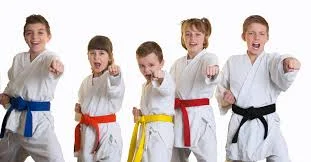
Improvement in martial arts doesn’t happen overnight. Repetition and frequent exposure constitute skill development. Set a schedule for your training, whether it’s two to three times per week in local karate classes, daily drills at home, or both. Stability guarantees muscle memory, an enhanced sense of coordination, and added comfort of methods. Even brief supplement training, 30 minutes of forms, positioning or simpler strikes can be very impactful.
Focus on Fundamentals
The fundamentals are the underpinnings. In local martial arts, small errors in stances, footwork, or balance compound into bigger issues if left unchecked. Train positions, good posture, good breathing and smooth foot moves. If you practice in local karate classes, revisit these fundamentals frequently–before attempting more advanced techniques. Strength results in increased strength, accuracy, and reduced injuries.
Go the Extra Mile Beyond the Class: Time.
Classes are not only vital but additional training between classes also hastens growth. When you are at home you can practice in some form ( kata patterns ) in a shadow box ( shadow ) or slow motion practice as a way to make you become aware of your movement. Record how you do things using videos or mirrors, and practice improvement of your personal weaknesses. Supplement class time with strength and flexibility training–core strength, leg workouts, and stretching will support your martial arts performance.
Seek Quality Feedback
It is the quickest time to grow when you are aware of what is supposed to be improved. Technical faults can be identified by skilled instructors, older students or coaches and corrections can be given. Do not be afraid of seeking feedback during classes. Some local martial arts schools encourage video analysis–recording your form or sparring can help you see issues you couldn’t feel in the moment. Be receptive: corrections are not pleasant things to do but are some of your best instruments of improvement.
Develop Mental Discipline
Martial arts aren’t only physical. Instead of merely being good practitioners, establishing mental resilience, focus and discipline will often divide the two categories of people. Have particular targets of measuring improvement (e.g. kick power, master a new kata, better reaction time, etc.), measure progress, and develop patience. When progress plateaus or frustration arises, breathing exercises, visualization, or meditation can help reset mindset and build steady forward motion in your martial arts journey.
Enhance Your Pressure, Agility and Strength.
Technical skill is supported by physical conditioning. Big and powerful muscles, loose joints and good mobility ensure your measures are more shrewd, the movements more fluent and your chances of getting hurt are lesser. Cautiously include routines of stretching, joint mobility, as well as exercises that aim at core power, leg strength, and balance. Yoga, pilates, or dynamic stretching are very beneficial as cross training. The better your body can move, the cleaner your martial arts technique will become.
Use Visualization & Study
Stars athletes tend to visualise performance. Neural pathways are solidified by mental rehearsal, and lead to timing, form, and strategy. Watching the performance of a kata, practicing a spar, and defense may make you physically and mentally ready. Additionally, observe advanced students or instructors in your local martial arts school: watch their footwork, transitions, and positioning. Learning the method of someone (in the classroom, on the video, at the seminar) will refocus your own perception of the way it is right.
Spar & Apply What You Learn
When techniques are put in motion they educate you on what you would not have accomplished in no movement practices. Sparring, situation simulation work, or partner work can be used to measure timing, distance, reaction, and adaptability. If your local karate classes include sparring or self-defense drills, participate actively. Do business with people who challenge just a bit more than you normally would–you will find you learn most during these times. Always safety practice using protective equipment and safe conditions.
Reflect & Adjust
You have to reflect after every training session. What felt good? What did not feel comfortable or weak? Were you unbalanced, fast or slow? Utilise notes, video recordings or even training journals. Depending on your reflection, select what you focus on in the next session. This closing loop–train – reflect – correct – train again–accelerates skill improvement in any martial arts practice.
Embrace the Local Community
Being part of a martial arts community amplifies growth. Attend seminars, workshops, open mats, or local events with other local martial arts practitioners. Studying under other teachers and classmates opens you to a new way of thinking, new methods and new dynamism. In addition, instructing others (you may have a chance) makes you internalize what you have learned. The community maintains a high level of motivation and offers accountability.
Improving your skills in local martial arts (and in local karate classes in particular) is a journey of steady effort, mindful practice, and openness to growth. These strategies remain applicable either by you being a beginner or with years of training in them being held, consistency, fundamentals, feedback, conditioning, mental attitude purposes are all going to get you ahead in technique, confidence and the mastery of the technique. Give yourself to the effort and one stays humble and also finds pleasure in the journey.


