

Karate is not easily about punches and kicking but may also be considered as a transformational activity that enables the children to evolve in physical, mental, and social ways. For parents exploring karate classes for kids, enrolling in Kids Karate offers an opportunity to unlock potential in ways that impact behavior, confidence, and well-being. With an outgoing or a shy child, an athletic one or a more reserved child, a well-organized setting of karate can help build vital life skills.
Healthy Habits and Physical Development.
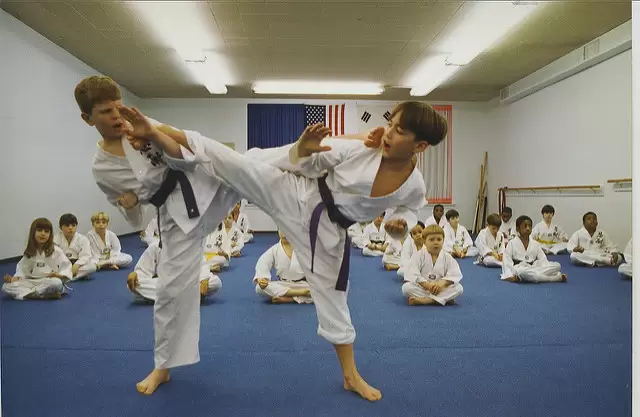
One of the first benefits of Kids Karate is improved physical fitness. Children who attend regular karate classes for kids engage in a full workout: stretching, stance work, kicks, punches, balance exercises, and sometimes even partner drills. These motions aid in the motivated growth in strength, stamina, coordination and flexibility. Children also acquire superior posture, agility and body awareness. From time to time, such bodily rewards lead to greater healthy behavior – more energy, lower chances of injury and awakening to consciousnessness of what the body can perform.
Self Regulation, Discipline and Focus.
Karate is a martial art that emphasizes a lot of structure and discipline. In Kids Karate, students learn respect for instructors, following rules, arriving on time, and paying attention to detail. The belt ranking system appreciates good attendance, achievement and respect. In the case of children- though mostly during school age- instilling the forms of discipline and concentration by engagement in martial arts may be of assistance in tackling homework, focused performance in the classroom and better behavior control among all children. Skills learned in karate classes for kids–such as listening, memorizing forms, and staying present–translate into stronger concentration in academic and everyday tasks.
Self-Esteem, Goal Setting and Confidence.
In Kids Karate, children work toward visible milestones–learning new techniques, mastering forms (kata), sparring or drills, and earning belts. Once they progress, it enhances self esteem. Going through these aims indicates that they are able to confront challenges and become better with time. This helps to build or develop self confidence and that the results will be delivered by those who are dedicated. To most children, the realization that they can also develop in other aspects (school, friends, sports) will give them power.
Admiration, Discernment, and Inter-Social acumen.
Attending a martial arts training session entails beyond individual training; the children will both practice with each other, pads may be given to them to use with partners, they will assist each other with their activities, and they will be given feedback. Such contacts create sympathy, respect, teamwork, and goodness. Karate classes for kids encourage cooperation, mutual support, and patience. Children understand how to respect the space, strenuous labor, and advancement of others- in most cases, find that students might have diverse abilities and difficulties. This spirit of community and common development tends to carry over to the outside world in a good way.
Emotional Resilience, Stress Relief and Self-Control.
Children also experience stress in an environment, school challenges, anxiety over performance. Kids Karate provides a healthy outlet. There is physical exercise, breathing, and structured training that can assist the children to deal with stress and high emotions. The discipline, the upon-the-floor learning and the upon-the-item teaches self control and making mistakes is all a part of the process. In the long-run, some benefit of regular martial arts training would be to enable the children to react to challenging experiences calmly and become more emotionally resilient.
Lifelong Values and Mindset
Karate is not a sport or a plain training, but a lifelong value. Martial arts codes of conduct tend to include such principles as discipline, perseverance, respect, humility, as well as inner strength. Children who begin karate classes for kids often carry these values through adolescence and adulthood. The positive attitude of I can be better along with the realization of the fact that working hard is all that counts as contributing to character development in the long-term perspective.
Practical Tips for Parents
Go to several schools and see the way teachers mix with children. Good teachers get kids to feel safe, encouraged and straight to the point.
Find Kids Karate classes that offer trial sessions — seeing how your child responds can guide your choice.
Find schools with safe facilities, protection (as mats, protective equipment), and age/ability group classes.
Discuss with your child his or her goals: fun, discipline, self-defense or fitness to stay on track and maintain motivation.
Karate classes for kids are more than a physical activity–they are a holistic experience. From physical health and coordination to emotional resilience, social skills, confidence, and values, Kids Karate has the potential to unlock strengths your child might not yet fully realize. To most families, joining martial arts is not merely an investment in undertaking an activity, but the character and development.


